Why Seasonal Eating works
Why Seasonal Eating works
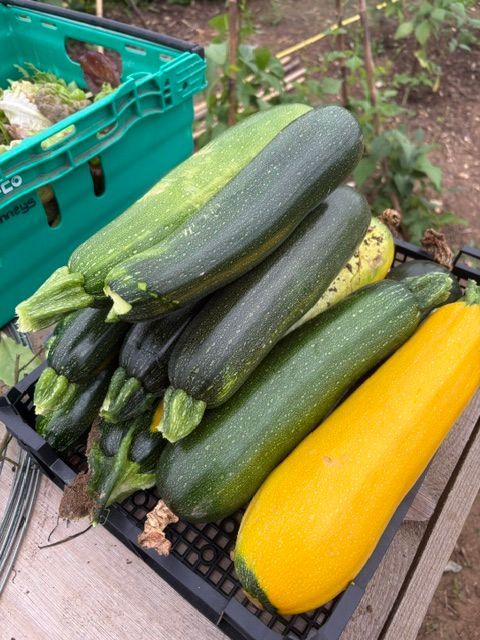
There’s something special about eating food at the right time of year. A tomato warmed by the summer sun, a plum picked ripe from the tree, or a courgette harvested from the garden that morning simply tastes different.
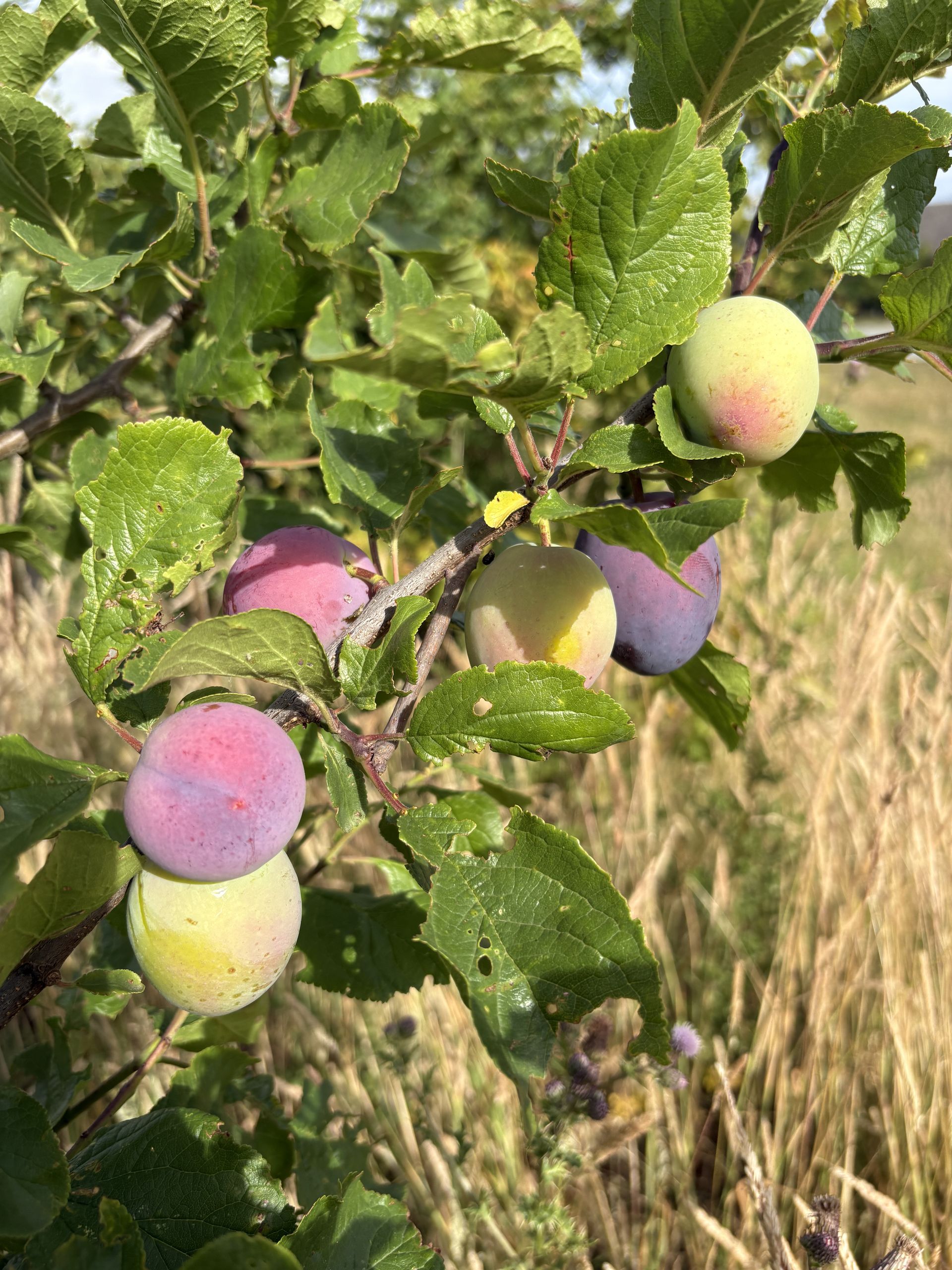
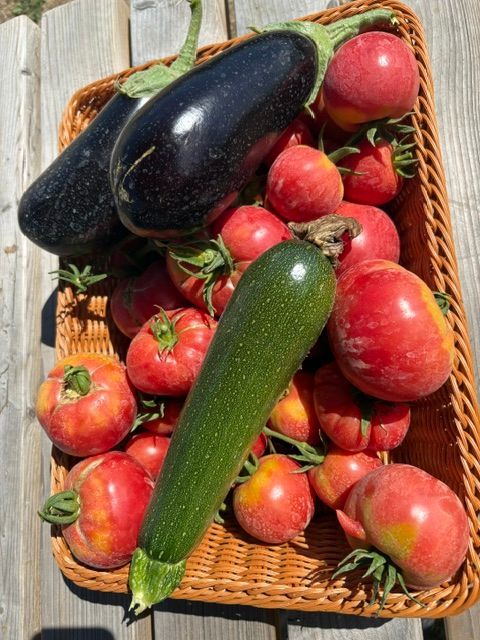
At Eves Hill Farm, August is a time of abundance. Our orchard is producing beautiful plums, while the market garden is full of fresh tomatoes, courgettes, aubergines, chillies and peppers. These are foods that belong to this moment in the farming year – and there are plenty of good reasons to enjoy them now.
What does eating seasonally actually mean?
Seasonal eating is simply choosing fruit and vegetables when they naturally grow and ripen in your part of the world.
Modern supermarkets can make it easy to forget that food has seasons. We have become accustomed to seeing tomatoes, strawberries, peppers and countless other fruits and vegetables on the shelves throughout the year.
When they aren’t naturally in season here, that produce may have travelled hundreds or thousands of miles to reach us, or been grown using additional heat, light and energy to create conditions that nature isn’t providing at that time of year.
Eating seasonally asks us to do something a little different: instead of deciding what we want to eat and then finding somewhere in the world that is growing it, we look at what the land around us is producing and build our meals around that.
Better flavour
Perhaps the most immediate reason for eating seasonally is taste.
Fruit and vegetables harvested when they are naturally ready can be allowed to ripen properly before they are picked. Produce destined to travel long distances often has a very different journey, needing to withstand harvesting, packing, refrigeration, transport and days or even weeks within a supply chain.
Compare that with a plum picked ripe from an orchard or a tomato harvested from the market garden, and the difference is remarkable.
Right now, our plums are sweet and ripe, the tomatoes are full of flavour and the courgettes, aubergines, chillies and peppers are thriving. This is their moment.
Fewer food miles and a closer connection to our food
Buying local, seasonal produce can also shorten the distance between field and plate.
Food miles aren’t the only factor in the environmental impact of what we eat – how food is grown, stored and produced matters too – but choosing locally grown produce in its
natural season can help us avoid some of the transport, refrigeration and energy associated with bringing out-of-season food to our tables.
There is another benefit that is harder to measure: connection.
When we eat with the seasons, we notice the farming year.
We look forward to the first tomatoes. We appreciate the few glorious weeks when the plums are ready. We find ourselves wondering what to do with a glut of courgettes and discovering new ways to cook aubergines. Then, as summer turns towards autumn, those ingredients disappear and something new takes their place.
Food becomes something to anticipate rather than something we expect to be available all year round.
Seasonal abundance encourages creativity
Eating seasonally doesn’t have to feel restrictive. In fact, it can make cooking much more interesting.
At this time of year, you might roast courgettes, aubergines, tomatoes and peppers together; turn ripe tomatoes and chillies into a fresh sauce; preserve a glut as chutneys and pickles; or simply eat a perfectly ripe plum straight from the tree.
When something is abundant, we learn how to use it. We swap recipes, preserve produce for later and perhaps try vegetables we wouldn’t normally put in our shopping basket.
Then the season changes, and so does the kitchen.
Supporting local growers
Choosing seasonal produce from local farms and growers also means putting more value back into the local food system.
Growing food is shaped by weather, soil, seasons and a great deal of work. Buying what is being harvested locally gives growers a market for crops when they are at their most abundant.
It also gives shoppers the opportunity to understand where their food has come from, how it was grown and even who grew it.
That relationship between grower, land and community is something we want to nurture at Eves Hill Farm.
Enjoy it while it lasts
One of the joys of seasonal eating is that nothing lasts forever.
Soon the summer crops will slow down and autumn produce will take their place. That’s not something we need to overcome by importing summer all year round – it’s part of what makes seasonal food exciting.
So, while the orchard branches are carrying ripe plums and the market garden is overflowing with tomatoes, courgettes, aubergines, chillies and peppers, we’re going to enjoy them.
It also gives shoppers the opportunity to understand where their food has come from, how it was grown and even who grew it.
That relationship between grower, land and community is something we want to nurture at Eves Hill Farm.
Enjoy it while it lasts
One of the joys of seasonal eating is that nothing lasts forever.
Soon the summer crops will slow down and autumn produce will take their place. That’s not something we need to overcome by importing summer all year round – it’s part of what makes seasonal food exciting.
So, while the orchard branches are carrying ripe plums and the market garden is overflowing with tomatoes, courgettes, aubergines, chillies and peppers, we’re going to enjoy them.
Fresh, local and in season – just as they should be.
Our
farm shop is always the best place to find the seasonal fruit and vegetables we have produced, as well as many local producers. Come and see what is currently in stock.