Owls on the farm
Owls on the farm
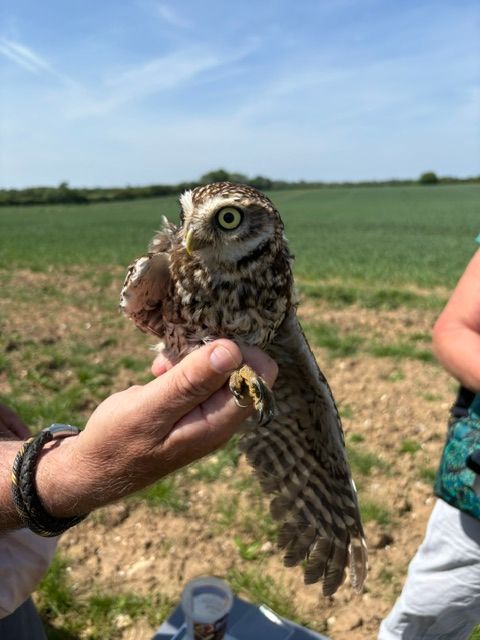
Since I was a child, I’ve always loved birds of prey. I remember searching for owl pellets with my friend Max, fascinated by what we might find inside them. That fascination has never really left me.
Whether it’s a hovering kestrel, a sparrowhawk speeding past, a buzzard soaring overhead or the unmistakable sight of a majestic barn owl quartering a field, I still get excited every time I spot one.
When I was growing up, though, some of the birds we now regularly see on the farm simply weren’t here. There were no buzzards or red kites. To see these larger birds of prey, we had to travel west, where I remember watching them in the skies of the West Country.
How things have changed.
Today, we’re trying to do as much as we can on the farm to provide the habitat, food and shelter needed by the owls and other birds of prey found here in Norfolk.
Creating habitat from the ground up
One of the most important things we can do is provide the right habitat for the animals that birds of prey depend upon.
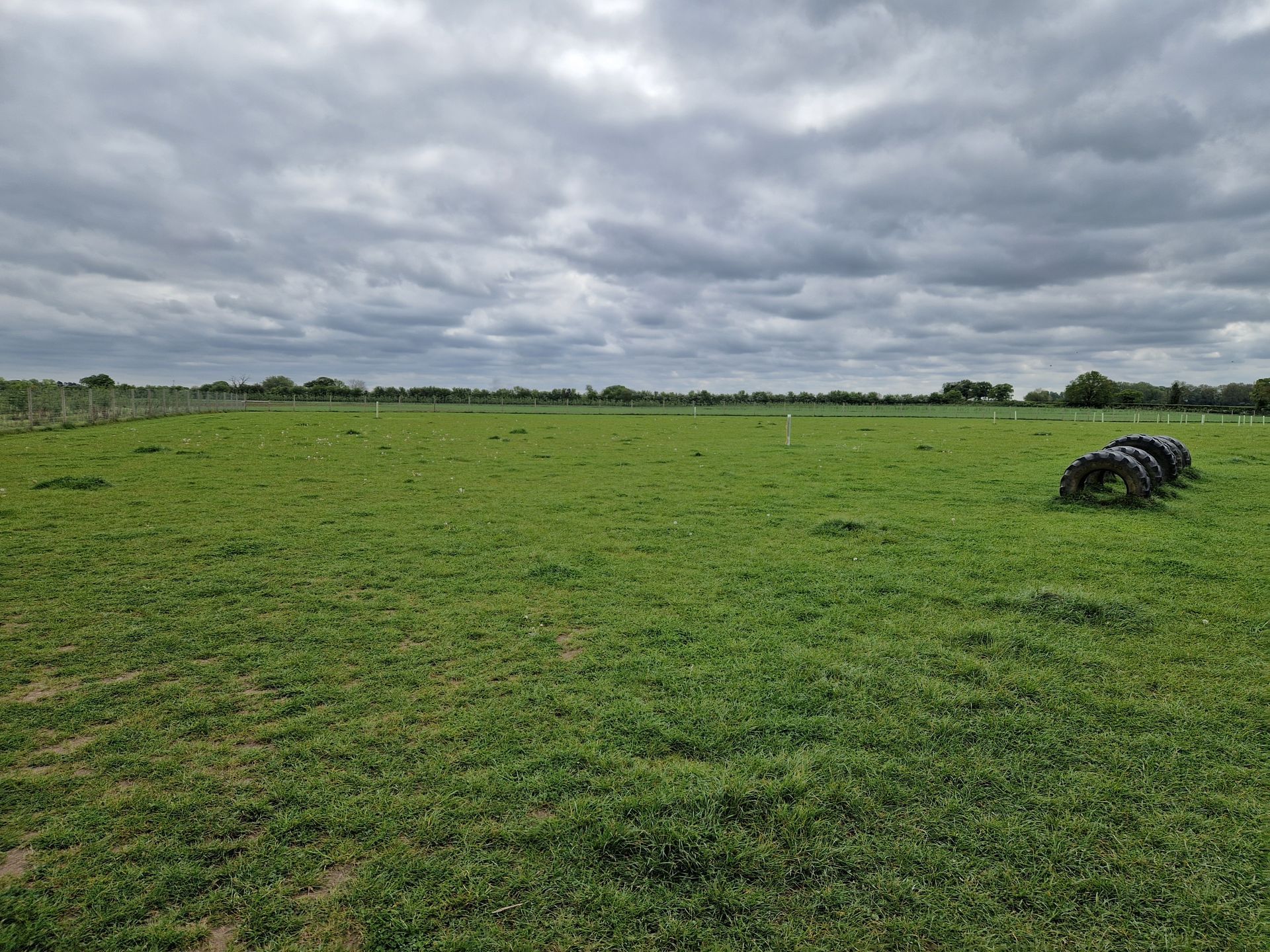
Tussocky field margins, for example, provide cover for mice and voles. In turn, these areas become valuable hunting grounds for barn owls and other birds of prey.
Our regenerative farming methods fit naturally with this approach. Rather than thinking of conservation as something separate from farming, we want wildlife to have a place within the farm itself. By providing food, shelter and undisturbed areas throughout the year, we can help create the conditions in which wildlife can thrive alongside food production.
Giving our owls a home
A few years ago, we joined forces with the Hawk and Owl Trust, who kindly built and installed five owl boxes around the farm: two for little owls, two for barn owls and one for tawny owls.
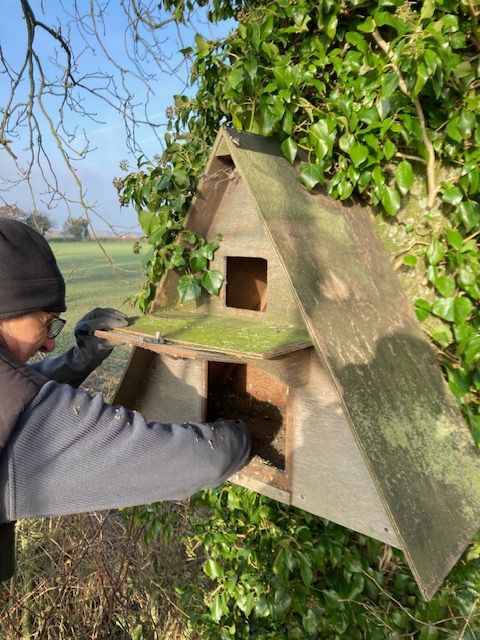
Since then, we’ve seen increasing numbers of owls around the farm.
The little owls, in particular, have almost become part of the family. Every evening we hear their distinctive calls, and we regularly see them darting from one favourite perch to another. There’s something very special about knowing these birds have chosen to make their home here.
But seeing owls is only part of the story. We also want to understand how they are doing.
Monitoring our owl population
With the help of the Iceni Bird Ringers, we monitor the numbers, health and breeding success of our little owls and barn owls.
Each year, at the appropriate time, the boxes are carefully checked. Any young chicks can be recorded and ringed, helping to build a better picture of the owl population and how successfully the birds are breeding.
It’s important work because life for an owl is far from easy.
Changing weather patterns can have a significant impact. Long periods of wet weather can reduce opportunities to hunt, making it harder for adult birds to find enough food and affecting their ability to breed successfully. Owls, their eggs and young also face natural pressures from other species, including squirrels and corvids.
That makes opening an owl box and discovering healthy young birds inside particularly rewarding.
And happily, that is exactly what happened this year.
Our checks revealed both young barn owls and young little owls on the farm — wonderful evidence that these birds are continuing to breed here.
A little autumn housework
Our work doesn’t finish once the chicks have fledged.
This autumn, we’ll be carrying out a little housekeeping, clearing old nesting material and debris from the boxes so that they are ready for their next occupants.
It is a relatively small job in the context of running a farm, but it is part of something much bigger.
For us, regenerative farming isn’t simply about looking after the soil or reducing inputs. It’s about creating a healthy, functioning farm ecosystem — from the microorganisms beneath our feet to the birds soaring above our fields.
And perhaps one of the greatest rewards is hearing those little owls calling across the farm in the evening, knowing that the habitat we are creating is giving them somewhere to live, hunt and raise the next generation.
For someone who started out as a child searching for owl pellets, that still feels rather special.