Goodbye to the Yellow Peril
Goodbye to the Yellow Peril
44 Harvests and a Lifetime of Memories
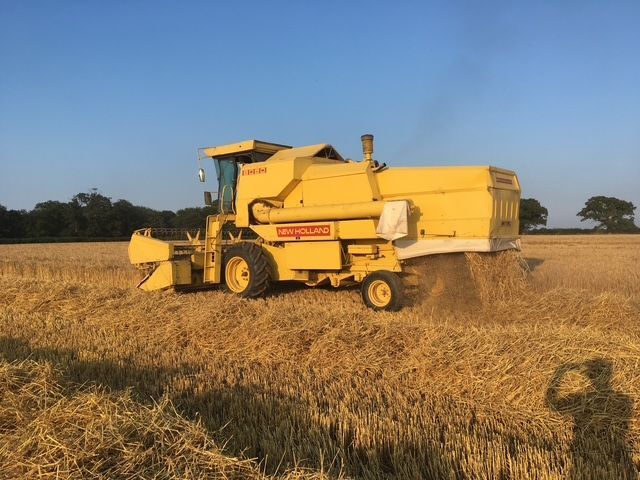
There are some machines on a farm that are more than just machines.
They become part of the landscape. Part of the soundtrack of the seasons. Part of the family story.
And after 44 years of harvests, it is time for us to say goodbye to one of ours — the Yellow Peril, our New Holland 8060 combine.
It has been an emotional day for everyone on the farm, but particularly so for me, because my memories of this combine go right back to the beginning.
I was only six or seven years old when we bought her. I can still remember going with my father and grandfather and the excitement of this enormous new machine coming into our lives.
She was huge!
As a small boy, she seemed absolutely huge.
Everything about harvest seemed huge in those days. The machinery, the fields, the piles of grain — and, most of all, the excitement.
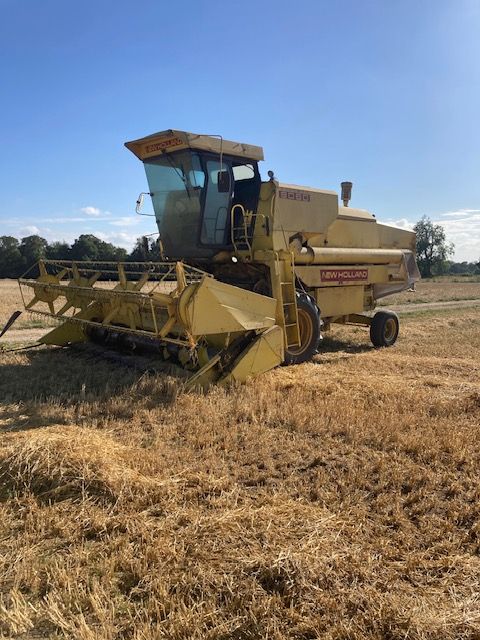
Memories
There was something magical about harvest as a child. The anticipation as the crops ripened and the combines finally started rolling. The long summer days, the dust hanging in the air and that unmistakable smell of a field being harvested.
I remember sitting in the rows of straw left behind by the combine, surrounded by what felt like mountains of it. I remember watching the Yellow Peril working her way across the fields and thinking what an incredible machine she was.
Those memories have stayed with me.
They were the golden years of the eighties, or at least that is how they seem looking back through the eyes of a child. Farming felt different then. Life seemed a little slower and perhaps a little simpler. Of course, I’m sure my father and grandfather would have had plenty to say about just how “simple” farming actually was!
Farming has changed
But the world has changed enormously since then, and farming has had to change with it.
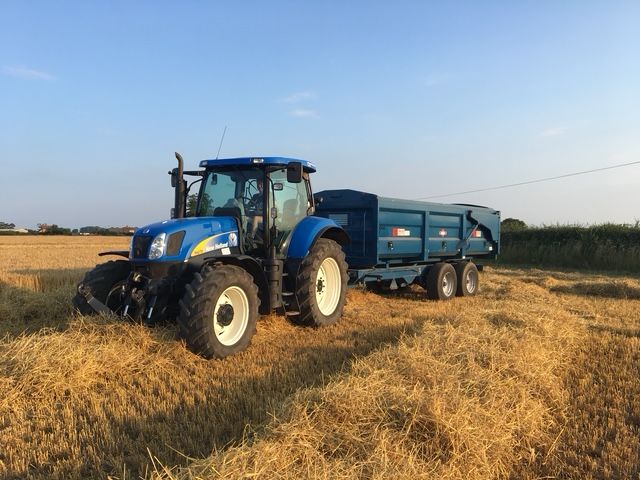
The machinery is bigger and more sophisticated. The technology available to us would have been almost unimaginable when the 8060 first arrived on the farm. The economics of farming have changed too, along with the expectations placed upon farmers and the countryside we look after.
Sometimes it is tempting to look back at those earlier days and wish we could hold on to them.
But farming has never really worked like that.
Every generation has had to adapt. My grandfather’s generation did things differently from my father’s. My father farmed differently from his father. And today we have to make our own changes if we want to hand something worthwhile on to the generations that follow us.
That doesn’t always make change easy.
Saying goodbye
Saying goodbye to the Yellow Peril is a small reminder of that. There is a practical reason for changing a machine after so many years, of course, but when something has been present for 44 harvests, practicality doesn’t tell the whole story.
Think of everything that has happened in those 44 years.
Different crops. Good harvests and bad ones. Wet summers and dry summers. Early starts, late finishes, breakdowns, frustrations, relief when the weather held — and that wonderful feeling when the last field was finally finished.
People have come and gone. Children have grown up. Generations have changed.
And through it all, that yellow combine kept appearing every summer.
There aren’t many things in life that remain a constant for 44 years.
For me, she connects the farm I knew as a six or seven-year-old boy, standing alongside my father and grandfather, with the farm we are responsible for today.
Perhaps that is why saying goodbye feels like more than simply selling an old piece of machinery.
It really is the closing of a chapter.
Changing Direction
We aren’t replacing the Yellow Peril with another combine. Our next chapter takes the farm in a different direction altogether.
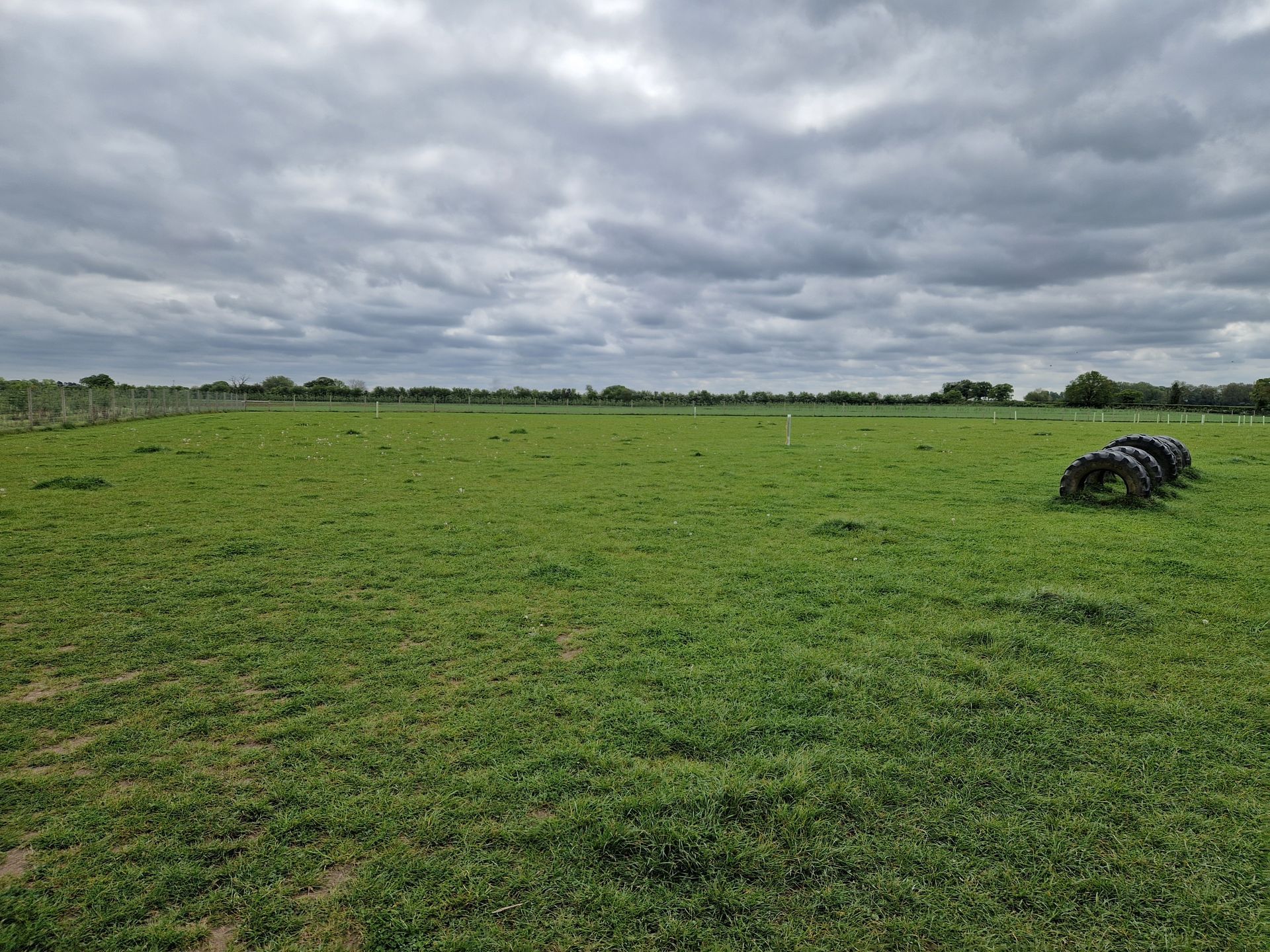
We are moving away from arable farming and putting the whole farm down to grazing for our livestock. Instead of growing commodity crops and selling into markets where we have little or no influence over the price we receive, we want to produce food from our land and sell it directly to the people who eat it.
For too long, farmers have become accustomed to being price takers. We produce something, send it into the commodity market and are ultimately told what it is worth.
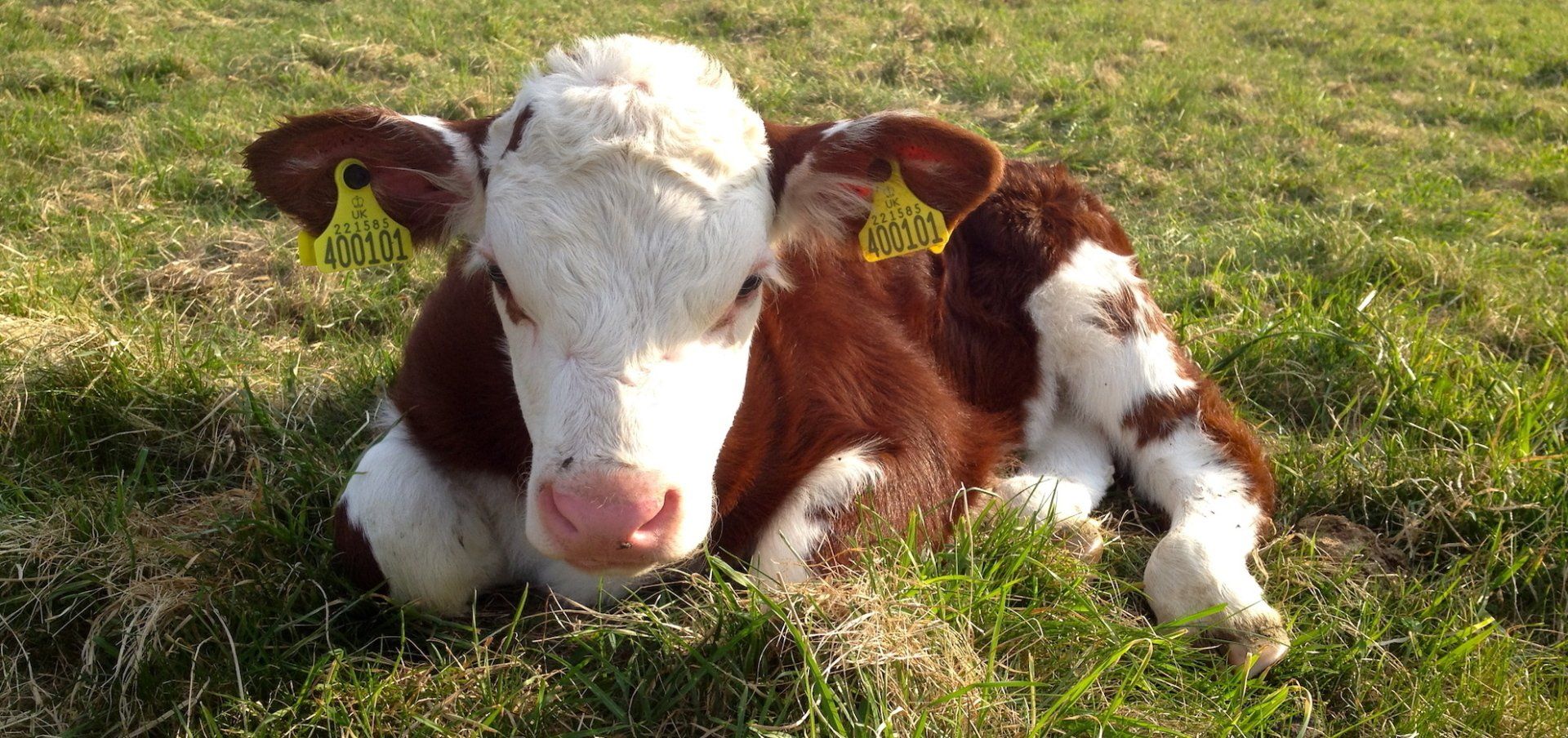
We want to change that relationship. By rearing cows and pigs on the grass we grow here and selling our produce directly to consumers through our farm shop and within our local community, we can take greater responsibility for the whole journey from field to fork.
Knowing our customers
We can know our customers, and they can know us.
They can understand where their food has come from, how the animals have been reared and the countryside that has produced it. And rather than surrendering the value of what we produce somewhere along a long supply chain, we can determine a fair price ourselves — one that reflects the true cost and value of producing good food while caring properly for the land.
For us, that feels like taking back some control of our own destiny.
It is a significant change. Moving away from a system of farming that has shaped this farm for generations isn’t something we do lightly.
There is inevitably some sadness in that.
I will miss harvest
I will miss seeing a combine working across these fields. I will miss the anticipation of those few frantic weeks each summer and the sense of satisfaction when the final acre is cut, and the crop is safely in the shed.
Those feelings run deep, particularly when some of my earliest memories are of harvest alongside my father and grandfather.
But nostalgia alone cannot determine the future of a farm.
Producing good food
Farming has always been about adapting to the circumstances of the time. For our family, at this point in the farm’s story, we believe the right thing is to simplify, to return the land to grass, to graze livestock and to build a much more direct relationship between the food we produce and the community around us.
It is a different way of farming, but the purpose remains much the same.
To produce good food. To make a living from the land. To care for the countryside. And, hopefully, to leave the farm in better shape for the generation that comes after us.
Perhaps that is the real connection between my grandfather’s generation, my father’s and ours.
The methods change. The machinery changes. The markets change.
But the responsibility to look after the land and somehow find a way to make a living from it carries on.
A symbolic goodbye
So the departure of the Yellow Peril feels particularly symbolic.
She arrived at the beginning of one chapter of my life, when I was a small boy looking up at this enormous yellow machine beside my father and grandfather.
And now, 44 harvests later, she leaves as we begin another.
There may no longer be a combine working these fields each summer. The fields themselves will look different as grass and livestock replace the arable crops we have known for so long.
But the farm will carry on.
It will evolve, as farms always have.
And hopefully, somewhere amongst the cattle, the grass and everything we build here over the coming years, another six or seven-year-old will experience that same sense of wonder about farming that I did all those years ago.
They won’t know yet how quickly the years pass.
So, after 44 years, it really is goodbye to the Yellow Peril.
Thank you, old girl.
Thank you for the harvests, the acres and the memories.
You have been part of our farm for almost my entire life — and you will always be part of its story.